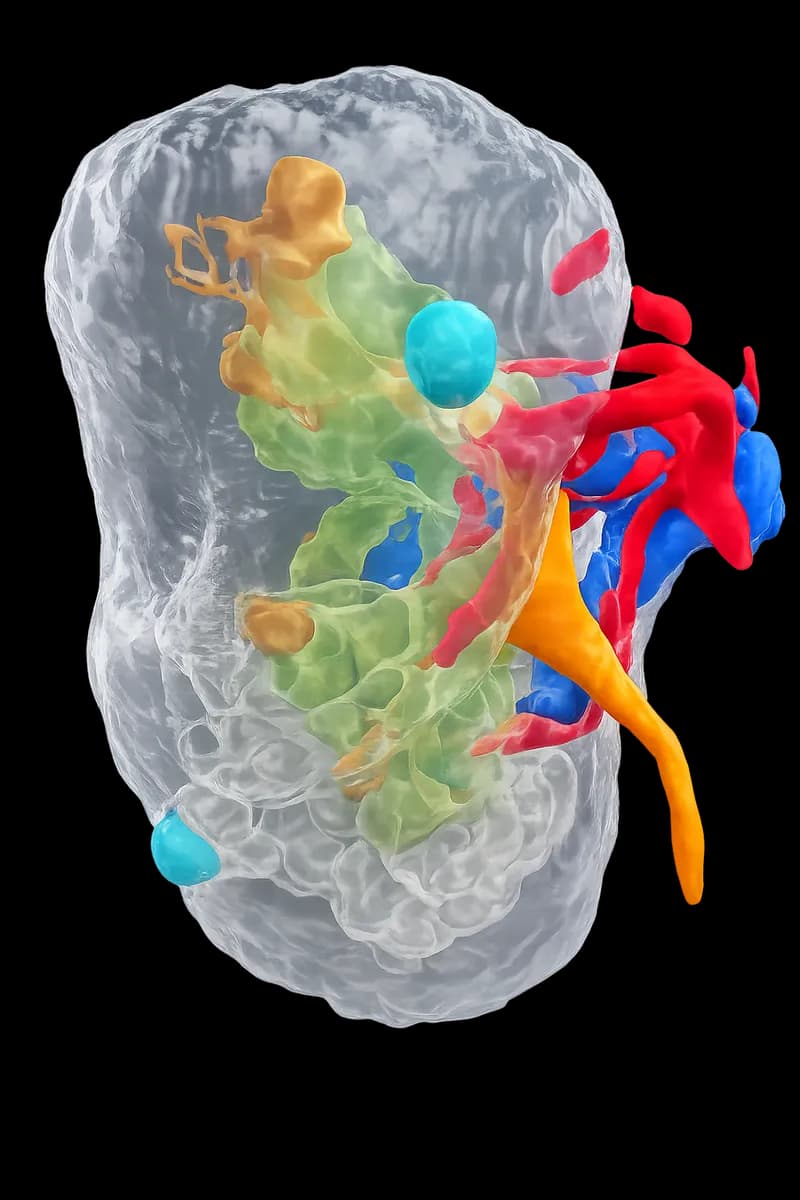
For radiologists, surgeons, and clinical teams
3D anatomical models from CTfor surgical planning
We transform CT DICOM files into interactive 3D anatomical models to study tumor, vessels, calyces, and anatomical relationships before surgery.





Renal surgery clinical cases with 3D models from CT
Examples of pre-operative planning with PonD3 anatomical reconstructions and interactive 3D models.
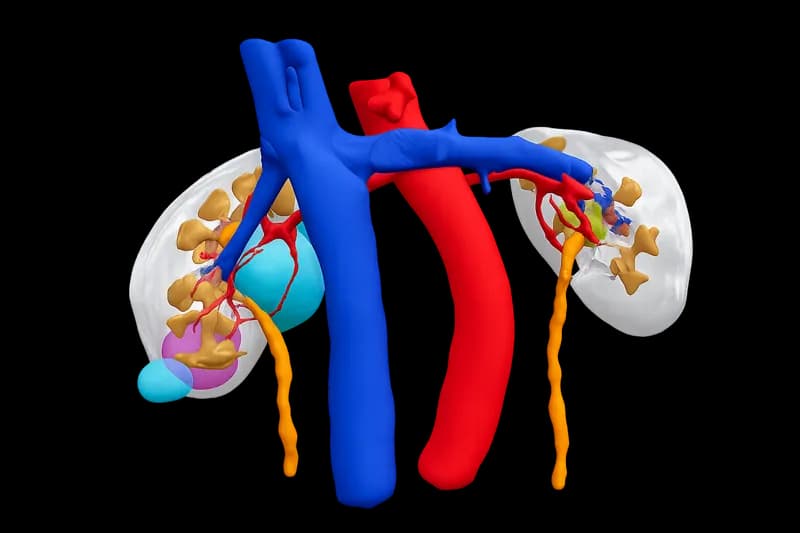
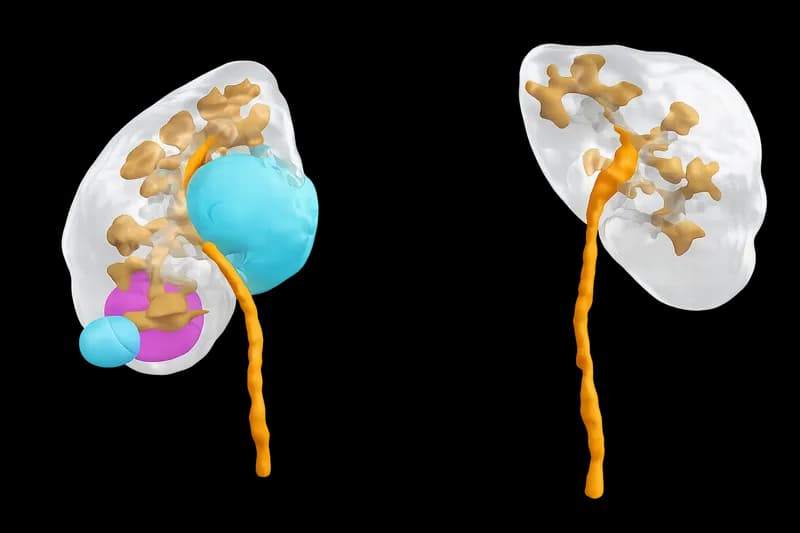
Il caso presenta una neoformazione renale al polo inferiore, posteriore, in un rene destro che presenta una diramazione arteriosa dell'ilo renale interessante in quanto in stretta prossimità con una cisti renale semplice.
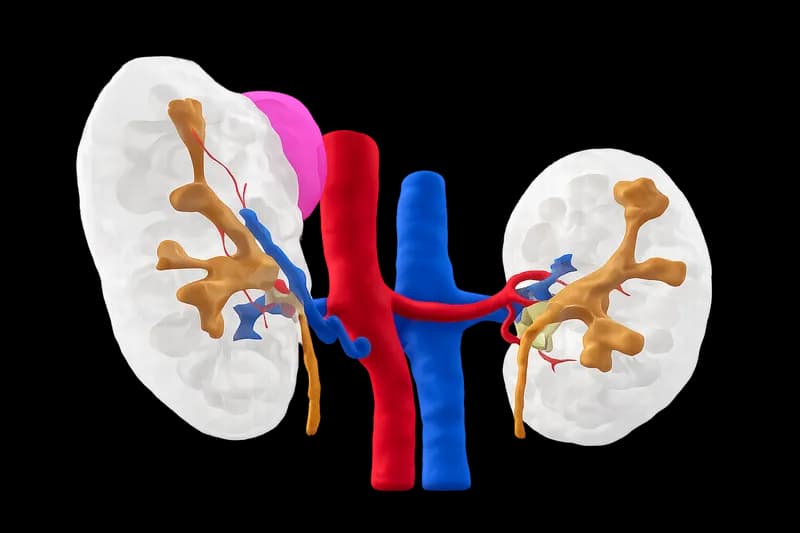
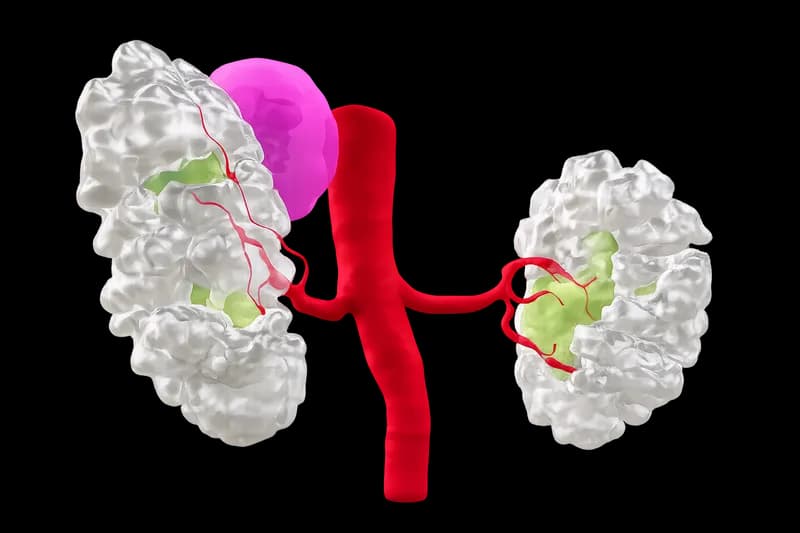
Tumore al polo superiore del rene sinistro. Il caso presenta una duplicazione della vena renale, con l'arteria renale che si trova tra le due diramazioni della vena renale sinistra. Il tumore si presenta particolarmente adiacente a un ramo segmentario dell'arteria renale e alla via escretrice.
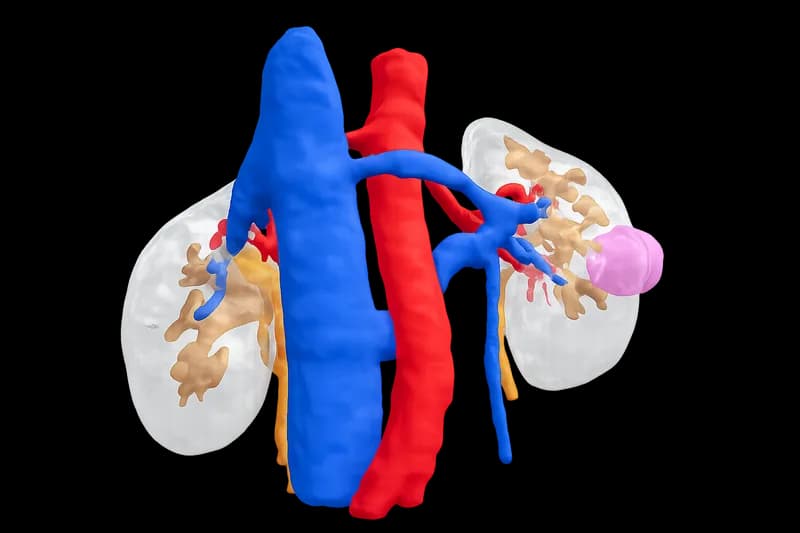
il caso risulta interessante per la presenza di una vena renale circumaortica, con un ilo vascolare caratterizzato da significative tortuosità dell'arteria renale prima delle sue diramazioni nelle arterie segmentarie. Il tumore presente si presenta come meso renale particolarmente esofitico perlopiù posteriore.
Explore all clinical cases
Dive deeper into urological cases and the role of the 3D model in reading anatomy
Watch case studiesFrom CT to 3D model in three steps
You upload DICOM files, the PonD3 team processes the case, and you receive an online 3D model for pre-operative planning.
Upload DICOM
Upload preview
Upload your CT
Securely upload traditional patient CT scans directly from your device. We handle large files with the highest data privacy.
3D Segmentation
Our advanced AI highlights the main anatomical structures and pathologies within 48 hours, providing accurate support for pre-operative planning.
Visualize and Plan
Safely interact with the 3D model to explore the patient's anatomy. Plan procedures with precise tools and maximum reliability.
Why choose PonD3 for surgical planning
3D anatomical reconstructions designed to read the anatomy of each case before surgery, with an initial focus on urology and renal surgery.
Study of anatomical relationships
The 3D model helps read anatomy, volumetry, and spatial relationships before surgery.
Tumor, vessels, and excretory pathways
Initial focus on renal surgery and cases where understanding the anatomical planes changes the surgical strategy.
Online 3D Viewer
Get an interactive 3D anatomical model accessible online without installing dedicated software.
GDPR-compliant clinical data
Data managed with attention to privacy and controlled access throughout the workflow.
Promotional pricing active at service launch.
- Private 3D viewer
- CT input in DICOM format
- Delivery within 48h
Initial focus: urology and renal surgery
PonD3 focuses on cases where a 3D anatomical model helps clarify vascular relationships, calyces, and surgical strategy.
Renal surgery
PonD3 was created to support planning of partial nephrectomy, radical nephrectomy, and enucleoresection in cases where reading the anatomical relationships is decisive.